Social Security early vs delayed: which side wins in your 50s
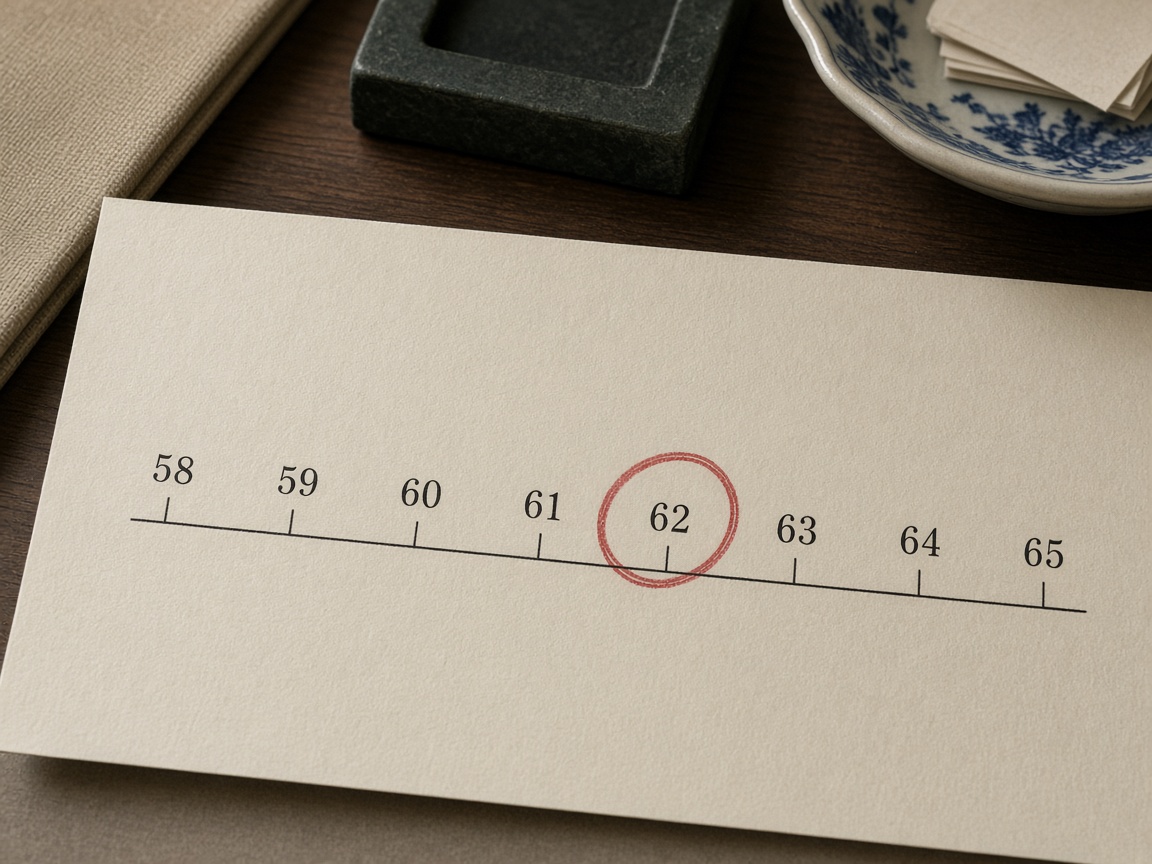
Full retirement age depends on birth year. Claiming at 62 permanently reduces benefits. Delaying past FRA toward 70 increases them.
Claiming Social Security in your 50s is usually premature — eligibility for retirement benefits starts at 62. Still, your full retirement age (FRA), the cut for claiming early, and the credit for delaying to 70 are worth fixing now. Once you claim early, the reduction is permanent. Check your earnings record on ssa.gov, then decide early versus delay with a real benefit estimate.
Full retirement age first
FRA is 66–67 for people born in the 1950s and 1960s, stepping to 67 for 1960 and later. Spousal and survivor rules use related ages. Forty work credits (roughly ten years of covered work) are the usual insured status for retirement benefits. Gaps in earnings lower the average. Fix missing wages on your Social Security record while employers still answer.
Claim at 62 and the cut lasts
Claiming at 62 reduces the monthly benefit for life relative to FRA. The reduction is calculated month by month. Working while claiming before FRA can trigger the earnings test — SSA withholds benefits above an annual earnings exempt amount, then adjusts at FRA. It is not a permanent confiscation of those dollars, but cash flow in the early years drops.


Delay past FRA toward 70
Delayed retirement credits raise the benefit for each month you wait after FRA, up to age 70. Waiting past 70 does not add more credits. Delaying only works if other income or savings cover the gap. A delay while you still earn a high wage can also avoid the earnings test hassle before FRA.

Break-even is how long you live
Simple break-even charts often land in the late 70s or early 80s, depending on the FRA and the claim age. Health, other pensions, spousal claiming strategies, and taxation of benefits all move the answer. This page does not name a winner.

Up to 85% of Social Security can be taxable depending on combined income. A working spouse’s paycheck can push more of your benefits into tax. Pair the claim decision with the paycheck calculator only as a wage sketch — SSA’s estimators win for the benefit amount.
Spousal and survivor angles
Married couples sometimes stagger claims. Ex-spouses with long enough marriages may claim on an ex’s record under conditions. Survivor benefits have their own ages. Divorce and remarriage change options — confirm on SSA publications before you click claim.
Taxes on benefits
Combined income (AGI + nontaxable interest + half of Social Security) decides whether 0%, up to 50%, or up to 85% of benefits are taxable. A working spouse, a Roth conversion, or a large capital gain can tip a household into the taxable band even if the benefit itself did not change. State tax on Social Security varies — some states exempt it. Do not assume the federal story is the state story.
Withholding on Social Security is optional via Form W-4V. Without it, you may need quarterly estimates. Pair a claim decision with a draft 1040, not with a single monthly benefit number from a video.
Windfall and government pensions
Workers with substantial non-covered pensions (some government jobs) may see Windfall Elimination Provision or Government Pension Offset rules reduce Social Security. Those formulas are separate from early-versus-delay math. If that is your career, read SSA’s WEP/GPO pages before you compare claim ages.
Where living money comes from
Households that claim at 62 often have a short savings runway after a layoff. For them, a smaller check now can be rational. Households with a working spouse, a pension, or a large IRA sometimes delay toward 70. Do not treat a 401(k) withdrawal and a Social Security claim as the same “pull it forward” lever — penalties, RMDs, and earnings tests differ. Write both calendars side by side, then call SSA or a fiduciary advisor if the household is complex.
Where to check
ssa.gov my Social Security, SSA claiming publications, and your earnings record. Benefit estimates on this page are illustrative for 2026. Do not claim from a blog chart alone. Download the latest estimate the week you decide; COLA and earnings updates move the number.

Next: Paycheck calculator